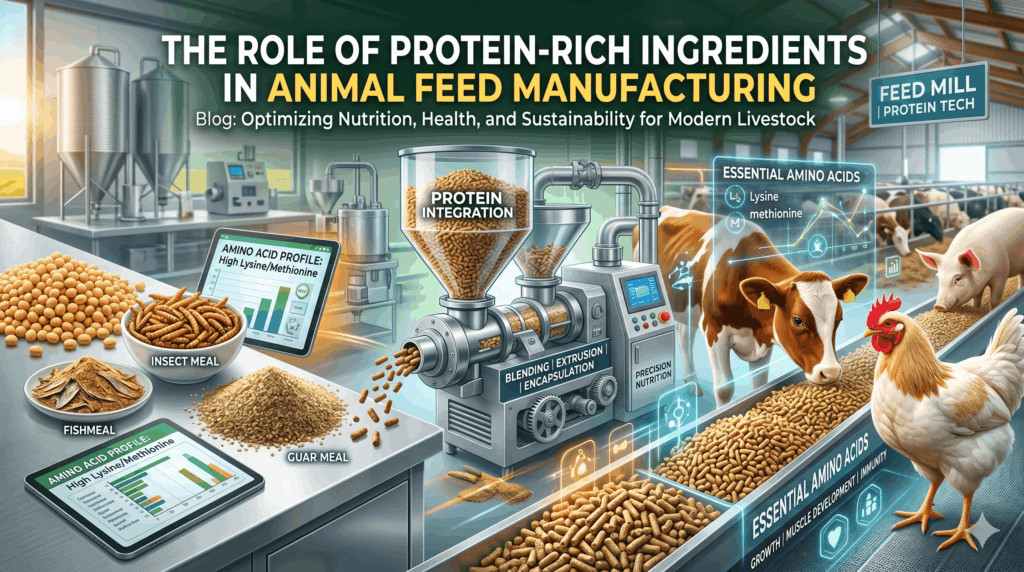
Protein is a fountain of animal nutrition, providing the right elements for broiler chickens, dairy cattle, farmed salmon, and pet dogs with the supreme quality and in the right quantity. Determining the right diet for the animal category depends on the quantity standards one follows. And this is how growth and health are achieved, considering the efficiency of the food.
Manufacturers have to be cautious about selecting the right protein sources, as making the critical formulation decisions is also critical. Here, Brinda Foods comes with the premium protein raw materials that are blended together to fulfil the purpose of complete protein and nutrition in many forms.
Why Protein Content Matter in Feed?
Proteins are rich in multiple amino acid profiles that animals cannot generate on their own. These specifics amplify all tasks from muscle development to immune function.
What are the main amino acids that must be present in feed?
- Lysine — balances muscle growth and tissue repair
- Methionine — essential for metabolism and feathering in poultry
- Threonine — boosts gut health and immune response
- Tryptophan — regulates feed intake and stress response
If any of the amino acids in the above profile are lacking, you will face obstacles in the growth and development of the animal due to the lower value of the entire diet. It means protein is fundamental to the dietary value. You must know the right kind of protein for a particular growth stage and animal type. And this is how you can do better for animal nutrition goals.
Major Protein Sources for Animal Nutrition!
- Maize — The Energy Base
- Maize forms the foundation of most feed formulations. It delivers:
- Metabolizable energy of 3,300 – 3,400 kcal/kg
- Protein content of 8% – 9%
- Low moisture (< 12%) for freshness and zero wastage
Maize is known for its higher utilisation across livestock, poultry, and aquaculture diets as the primary energy carrier.
Maize DDGS — Concentrated Nutrition at Lower Cost
Maize DDGS is known as a co-product of ethanol fermentation, as it packs significantly more nutrition than raw maize. It becomes the specific choice due to its specifications:
- Crude Protein: 28% – 32%
- TDN: 75% – 85%
- Rich in phosphorus — reducing the need for extra mineral supplements
- Rumen-undegradable protein supports better milk yield and muscle development.
- It is a cost-effective alternative to expensive protein sources, ideal for cattle, poultry, and swine.
Soya DOC — The High-Performance Vegetable Protein
Soya DOC is the premium plant-based protein in any feed formula. It provides a higher concentration of vegetable protein, which helps in the smooth growth and productivity of animals. The specifications make it the right choice for livestock health. And here are the specific details of the feed:
- Crude Protein: 45% – 50%
- Bioavailability: over 85%
- Packed with lysine — critical for muscle growth and feather development
- Low fibre makes it highly digestible for poultry and swine.
- Acts as a rumen bypass protein in cattle, directly improving milk quality.
Mustard DOC — The Ruminant Specialist
Mustard DOC is the go-to protein source for cattle and ruminant-focused feed formulations.
- Crude Protein: 36% – 40%
- High in Methionine & Cysteine for metabolic support
- Natural antimicrobial compounds promote gut hygiene.
- Bypass Protein (RUP): 30% – 35% for direct small intestine absorption
- Brinda Foods produces mustard DOC through a three-stage toast → cooling → grinding process that eliminates anti-nutritional factors.
How Protein Products Work Together in a Feed Formula
Smart formulation is not about choosing one ingredient — it is about building a complementary stack that delivers a complete amino acid profile at the right cost. Here is how Brinda Foods’ protein range works together:
| Product | Protein % | Primary Role | Best Paired With |
| Soya DOC | 45–50% | High vegetable protein, lysine | Maize, DORB |
| Mustard DOC | 36–40% | Ruminant bypass protein | Maize DDGS, Soya DOC |
| Maize DDGS | 28–32% | Cost-efficient protein + energy | Soya DOC, Maize |
| Rice DDGS | 40–45% | Bypass protein, prebiotic effect | Maize Gluten, DORB |
| Maize Gluten | 60% | Highest protein, pigmentation | Rice DDGS, Soya DOC |
| Rice Gluten | 60–65% | Low-allergen, aqua-friendly | DORB, Maize |
| De-Oiled Rice Bran | 14–16% | Fibre + protein support base | All protein sources |
The Science Behind Protein Quality
Not all proteins are equal in creation. Crude protein percentage is only the starting point. What matters in practice is the following:
- Digestibility — the actual absorption of protein in the animal body is a matter of concern.
- Amino acid balance — the right mix of essential amino acids, like lysine, methionine, and threonine, is present in the right ratios
- Bypass protein value (RUP) — the amount of protein escaping through the rumen and reaching the small intestine in ruminants
- Anti-nutritional factors — the actual collection of that block’s absorption if not properly processed
Brinda Foods fixes all four actions through definite processing, quality testing, and multi-stage production procedures across every product in our range.
Final Thoughts
Protein is not a single ingredient decision – it is a formulation strategy. Whether you are running a dairy farm, a poultry operation, a swine unit, or an aquaculture facility, the right combination of protein-rich raw materials determines your animals’ performance and your farm’s profitability.
At Brinda Foods, we give you the full toolkit — from high-concentrate vegetable proteins like soya DOC and maize gluten to cost-efficient co-products like maize DDGS and rice DDGS to specialist ingredients like mustard DOC and rice gluten for specific species and life stages. The right protein strategy starts with the right supplier. And we are here to accomplish this for you.