The right animal nutrition is a balance of quality ingredients that are easy on the pocket. However, it is a constant challenge to get both things together. Dried distillers’ grains with solubles, or DDGS, have quietly become the right alternative to many other alternatives due to the trust these provide for feed producers and distributors. The end results of these products are quite impressive.
At Brinda Foods, we ensure the standard quality parameters and the industry standards to provide the finest quality at the best profits for our customers, which even helps distributors and farmers both due to good profit margins and the end results bringing profits again to the bank account.
We make every batch with precision and detail and ensure the balance of nutrients, including providing energy, protein through soybean, and the right concentration. And this is how we are transforming the animal nutrients at every stage, from distributors to buyers.
What Is DDGS and Where Does It Come From?
DDGS is a byproduct of the ethanol production procedure, where ethanol is separated from it. The separation of grains when corn or wheat is fermented to produce ethanol, the non-fermentable nutrients — proteins, fats, and fibre — get concentrated into a nutrient-dense by-product. These remains are dried and processed into DDGS, which preserves the original grain’s nutritional value in a much more concentrated form.
And this feed solution is helpful for the following categories:
- Cattle
- Poultry
- Swine, and even aquaculture.
Rich Nutritional Profile That Feeds Performance
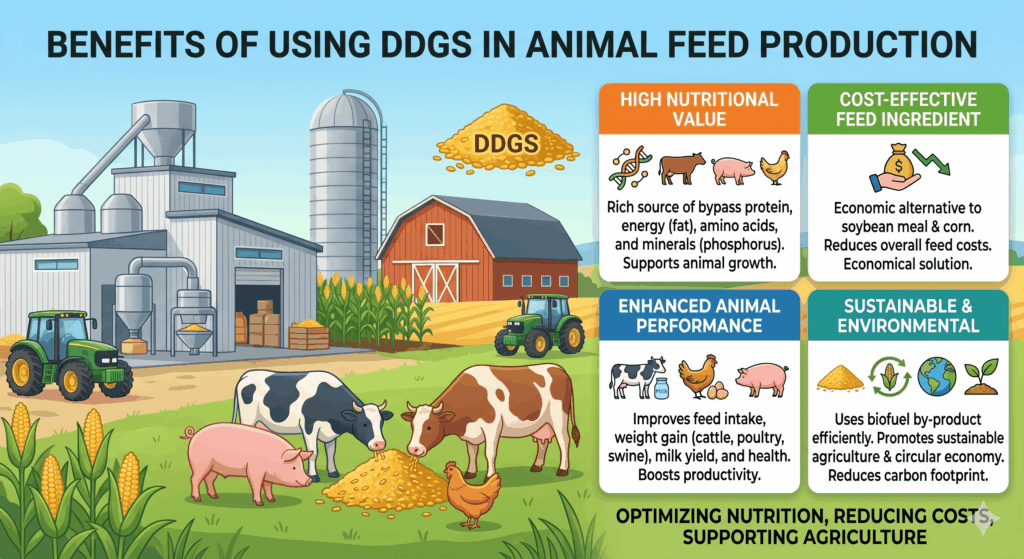
Animal nutritionists also recommend maize DDGS due to its impressive nutritional density. It covers the higher energy in kilograms than various traditional feed ingredients, making it a perfect fit for a balanced ration.
- Concentrated with 26–30% crude protein, making it a perfect partial replacement for soybean meal. The higher protein content makes it a subtle choice for every animal feed solution.
- The high metabolisable energy due to the fat content of around 10–12% makes it ideal for high-producing animals. Hence, one can yield a higher level of profitability through such animal food.
- The richness in phosphorus, B vitamins, and antioxidants like vitamin E and selenium makes it the right nutrient formula for developing the overall body and even powering up the body.
- Ultimate source of digestible amino acids, especially lysine, when properly processed. It makes it the right fit for animals’ health and even growth purposes. The quality and quantity of produce balance as per their efficiency and body condition. The right feed is definitely a good idea to get a feasible dairy product from them.
A Cost-Effective Alternative to Traditional Proteins
Feed costs may be estimated at 70% of total livestock production expenses. DDGS provides a genuine opportunity to lower that burden without putting down the nutritional quality. Ensuring an adequate supply and quality makes it the right solution.
It typically sells at a significant discount in comparison to soybean meal and other high-protein ingredients. And here are the things to take into account for the maximum benefits:
- Available to replace up to 20–30% of soybean meal in maximum livestock and poultry diets
- Trims down overall ration cost while maintaining or improving performance parameters of the feed.
- Largely available due to the large-scale ethanol industry, ensuring supply consistency across different segments. So it is easy to reach for this product and manage the health requirements.
- The right source for large-scale commercial operations where input cost management is challenging.
Proven Benefits Across Multiple Livestock Species
DDGS is not limited to a one-size ingredient mix; rather, it is extensively used for excellent results. And here are the animal categories that consider this product:
- Broilers
- Dairy cows
- Swine
Make an effective diet with DDGS and build your health outputs. Your right strategies can let you make an impact on animal nutritional needs that transform everything.
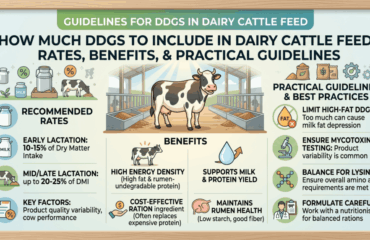
- Dairy cattle: supplies more milk production and fat yield when included at 10–20% of the ration
- Poultry: Boosts the feed conversion ratios, though levels should be carefully managed for broilers
- Swine: works as the right source in finishing diets; helps maintain body condition and growth rates
- Aquaculture: Widely used as a partial fishmeal replacement in fish and shrimp feed
A Sustainable Choice for the Modern Feed Industry
Sustainability is not an option but an integral part of agriculture. It helps in bringing better solutions and even securing the future of agriculture and beyond. Feed producers are under growing pressure to reduce their environmental footprint, and DDGS fits neatly into that agenda. Since it is a by-product of an existing industrial process, it diverts material from waste streams into productive use.
- Reduces dependence on land-intensive crops like soy by offering an alternative protein source
- Lowers the carbon footprint of feed production by utilising industrial co-products
- Helps ethanol producers reduce waste and improve the economics of their operations
- Supports circular economy principles increasingly demanded by global buyers and retailers
Key Considerations for Optimal Use
DDGS also works well when it is blended with knowledge and care for animals. It has several limitations that help feed formulators to get the most advantage out of it. Also, ignore the common mistakes that hinder the mental health and product quality in animals. Know what to choose to make the optimal use of animal feed:
- Quality may differ between sources — always get into the crude protein, fat, and moisture levels before purchase.
- The chances of high unsaturated fat content can affect carcass fat quality in pigs if inclusion rates are too high. So you must check the percentage of saturated fat.
- Lysine digestibility may be lower in over-processed batches — source from reputable, traceable suppliers.
- Inclusion rates should be calibrated by a qualified nutritionist for each specific animal category.
DDGS has earned its place as a mainstay ingredient in modern animal feed production — and for good reason. It brings together cost savings, strong nutritional value, and environmental benefits in a single ingredient. As feed costs continue to rise globally, making intelligent use of ingredients like DDGS isn’t just smart business; it’s essential farming.
At Brinda Foods, we ensure we give access to the best quality rice DDGS and support for our clients. We offer nutritional guidance at every level to make sure that they are serving the right products to their customers, directly impacting the bottom line of their business.