Farmers and feed manufacturers are looking for smarter, more sustainable ways to feed livestock as the animal feed industry changes fast. With increasing feed costs, increasing environmental concerns and increasing demand for high quality animal products, the focus has shifted towards nutrient rich, cost effective ingredients that promote animal health and farm profitability.
One such “quietly disruptive” ingredient is a rice-based feed ingredient that is delivering an effective combination of nutrition, affordability and sustainability.
Why sustainable feed ingredients are on the rise
Concentrating on feed ingredients that:
- Improve digestion and gut health
- Enhance milk yield and weight gain
- Reduce feed costs without compromising nutrition
- Support eco-friendly farming practices
This change has created opportunities for alternative feed ingredients that previously were ignored but now are proving to be very useful in balanced animal diets.
A Nutritional Powerhouse Hiding in Plain Sight
Rice processing yields a very useful byproduct (de-oiled rice bran) that still contains important nutrients after the oil has been removed. This ingredient is high in:
- Digestible fiber for improved gut health
- Intermediate protein level for supporting growth
- Important minerals such as phosphorus and potassium
- Energy for maintenance of total animal performance
Its balanced nutritional profile has led to its wide use in cattle feed, poultry diets and even aquaculture.
A Nutritional Powerhouse Hiding in Plain Sight
Rice processing yields a very useful byproduct that still contains important nutrients after the oil has been removed. This ingredient is high in:
- Digestible fiber for improved gut health
- Intermediate protein level for supporting growth
- Important minerals such as phosphorus and potassium
- Energy for maintenance of total animal performance
Its balanced nutritional profile has led to its wide use in cattle feed, poultry diets and even aquaculture.
Benefits to the Performance of Animals
The use of this rice-based ingredient in feed formulations provides a number of advantages, including:
- Better Digestion
It contains fiber which is helpful in regulating digestion . This is particularly useful for ruminants like cows and buffalos . This leads to better nutrient absorption .
- Nutrition on a Budget
It is a cheaper alternative to conventional feed ingredients and helps farmers to cope with rising input costs.
- Better Quality Milk and Meat
Feeding the same way each day can lead to higher milk yields in dairy animals and more healthy weight gains in livestock.
Quick Read: Top 5 Trends Shaping Animal Feed in 2026
Role in Sustainable Agriculture
Sustainability is not a choice anymore, it’s a must. Rice processing byproducts cut waste and increase circular agriculture. No discarding of valuable nutrients but redirection to animal feed reducing environmental impact.
This approach not only promotes environmentally friendly agriculture but also fits with global trends towards responsible farming and resource efficiency.
How Brinda Foods is Leading Innovation
Brinda Foods and other companies are playing an important role in making good quality feed ingredients more accessible to farmers and feed manufacturers. They deliver consistent quality, correct processing, and nutrient preservation, which means that livestock receives reliable and effective nutrition.
As Brinda Foods points out:
- Rigorous quality control in sourcing and processing
- Nutritionally complete feeds
- Products to meet the diverse needs of livestock
- Affordable feed options to support farmers
Their dedication to innovation and sustainability is helping to redefine the animal feed landscape in India.
Select the Right Feeding Strategy
For farmers, the best way to maximize benefits is to prioritize a balanced feed formulation rather than depending on a single ingredient. The rice-based component is formulated to provide optimal animal performance when combined with other protein sources, vitamins and minerals.
Some of the key tips include:
- Consult a nutritionist for proper feed ratios
- Routine monitoring of animal health and productivity
- Modify feed composition for life cycle stages
- Prioritize quality over price alone
What is coming next in animal feed?
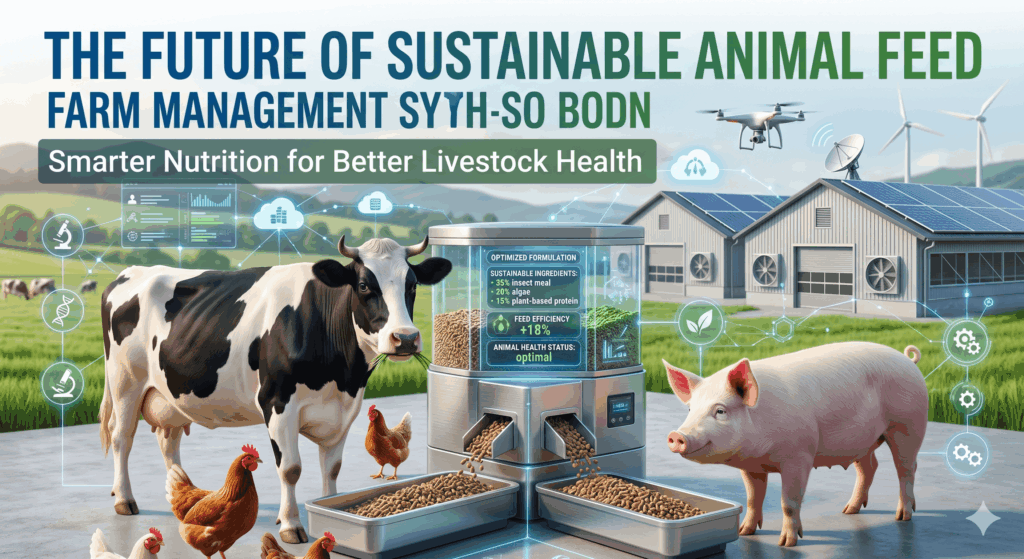
Smart, sustainable and science-based solutions are the future of animal nutrition. As awareness increases, more farmers will probably turn to alternative feed ingredients that have economic and environmental benefits.
Leading the charge with companies like Brinda Foods, the industry is shifting towards a model where efficiency, sustainability and animal health go hand in hand.
Final thoughts
Innovation and the intelligent use of resources are driving the transformation of the animal feed industry. Ingredients from rice processing are proving to be the game-changer – providing just the right mix of nutrition, affordability and sustainability.
Adding such ingredients to feed strategies for farmers looking to improve performance of the livestock while keeping costs down is not just an option, it is a smart move for the future.